

 Image 1 of 5
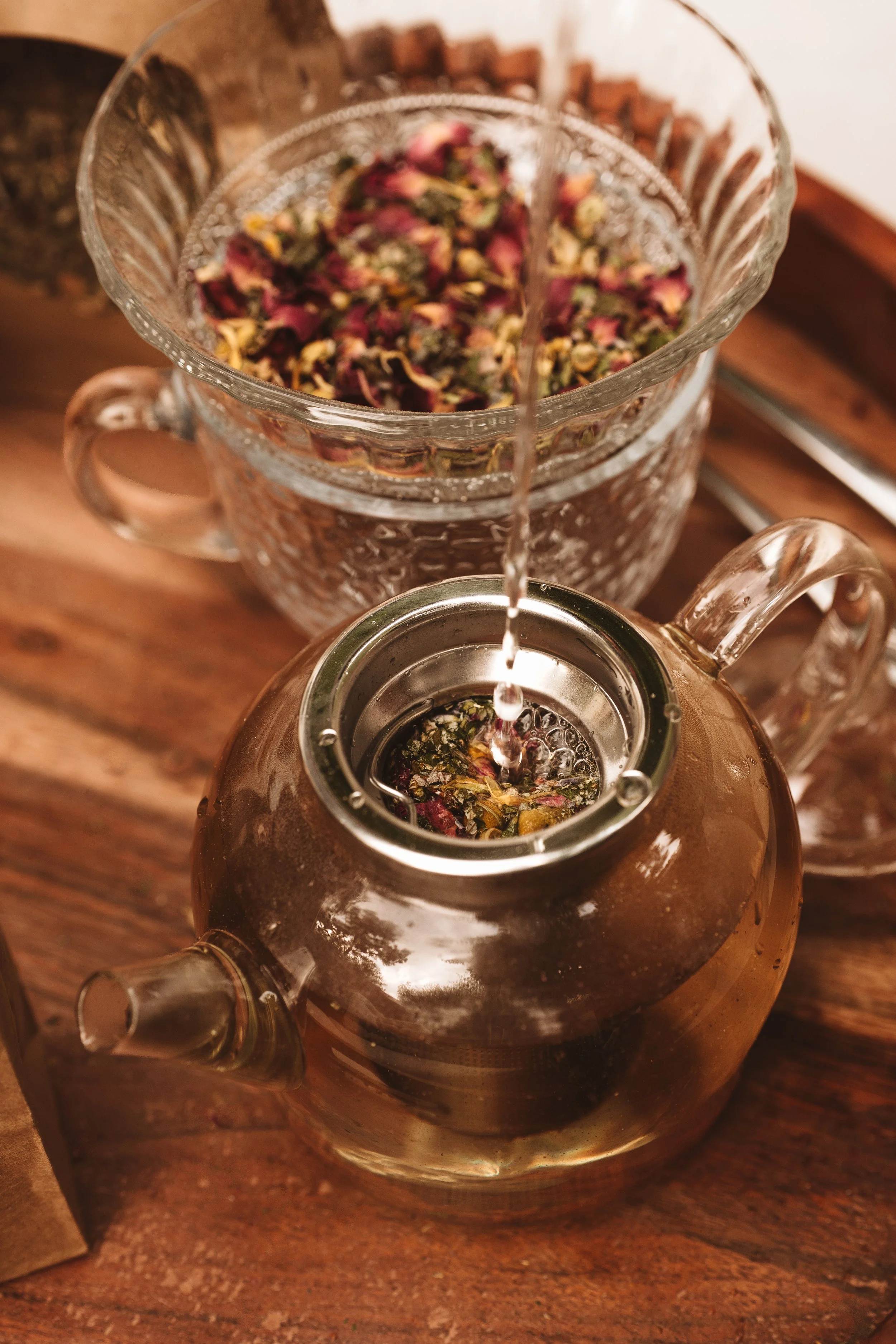 Image 2 of 5
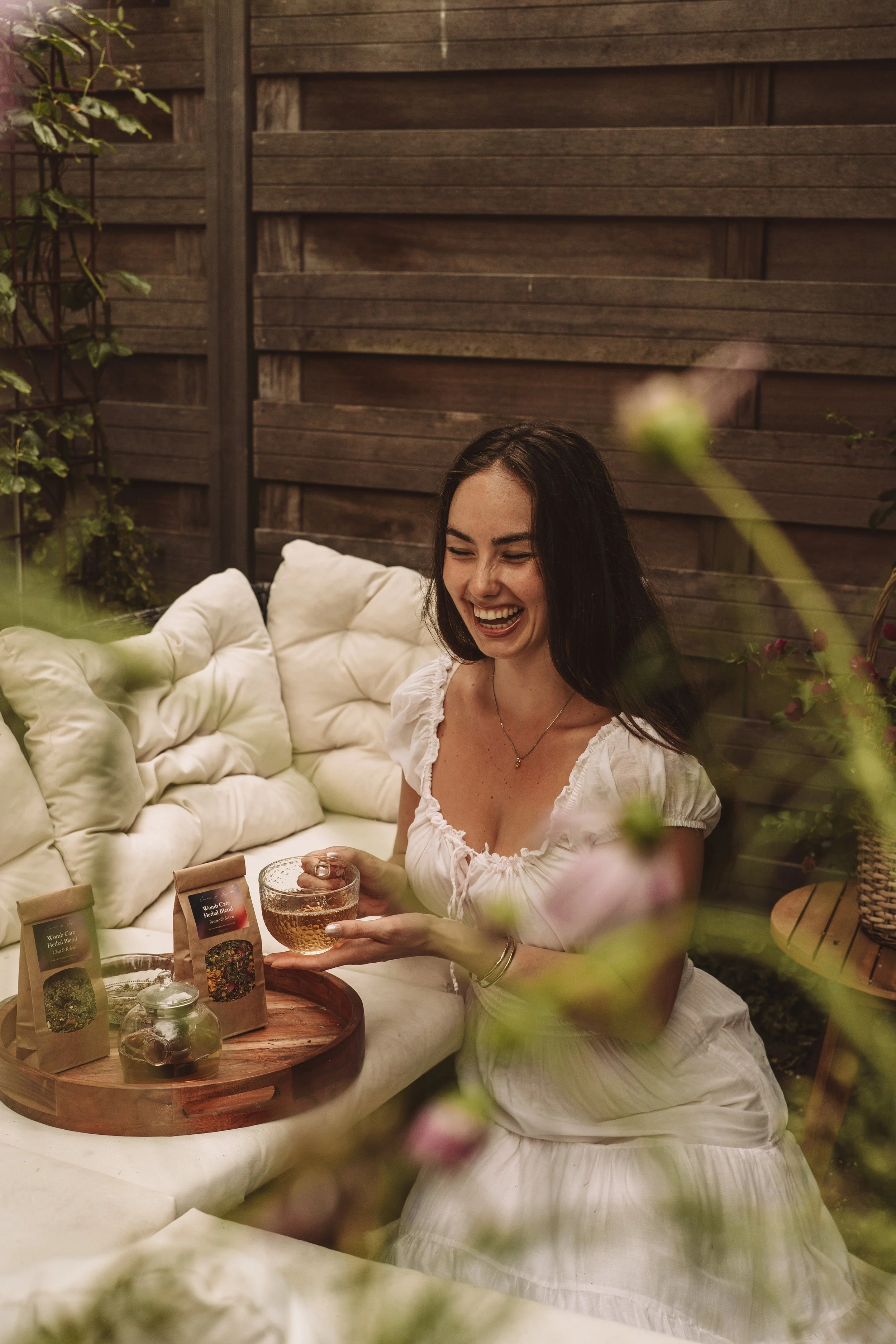 Image 3 of 5
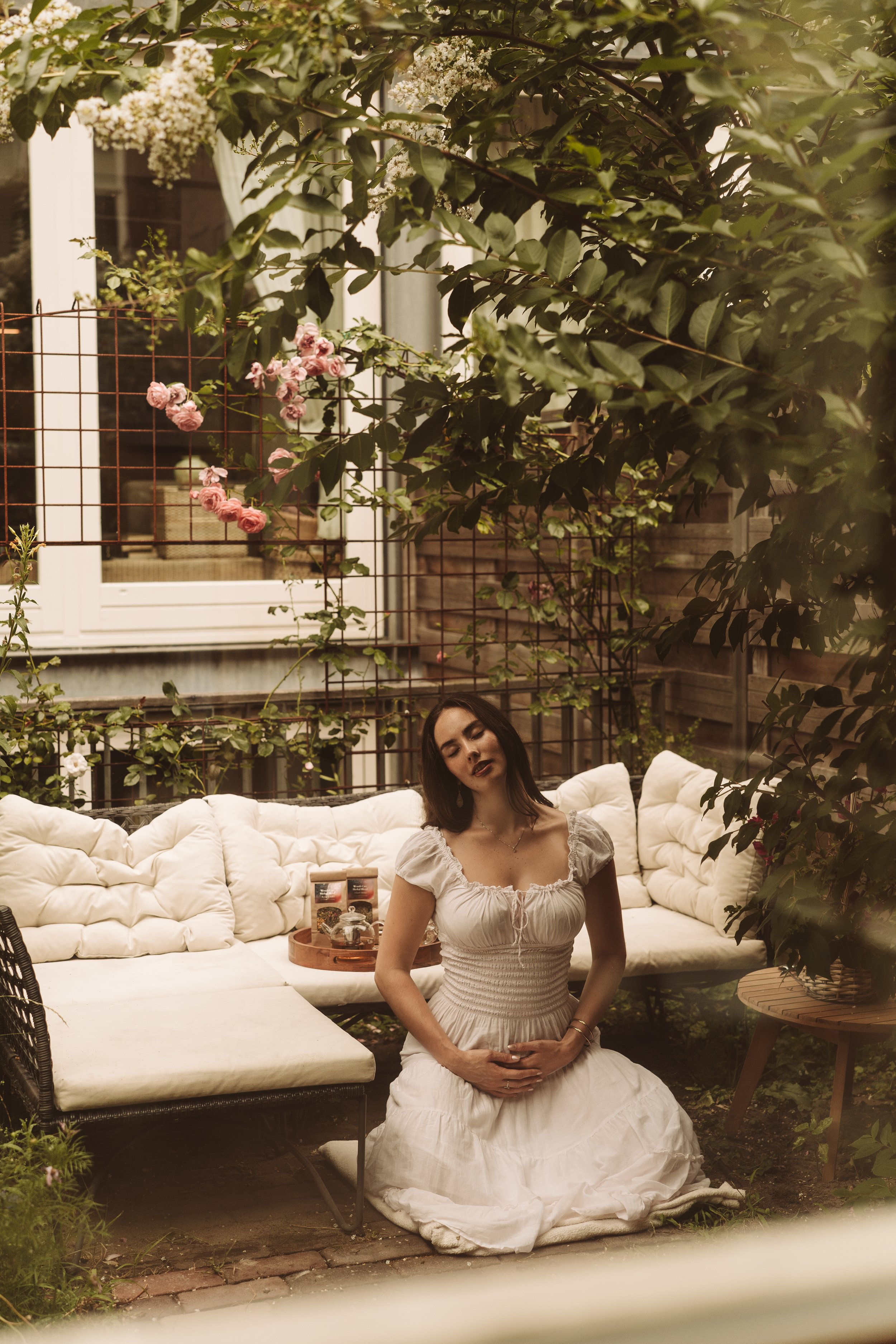 Image 4 of 5
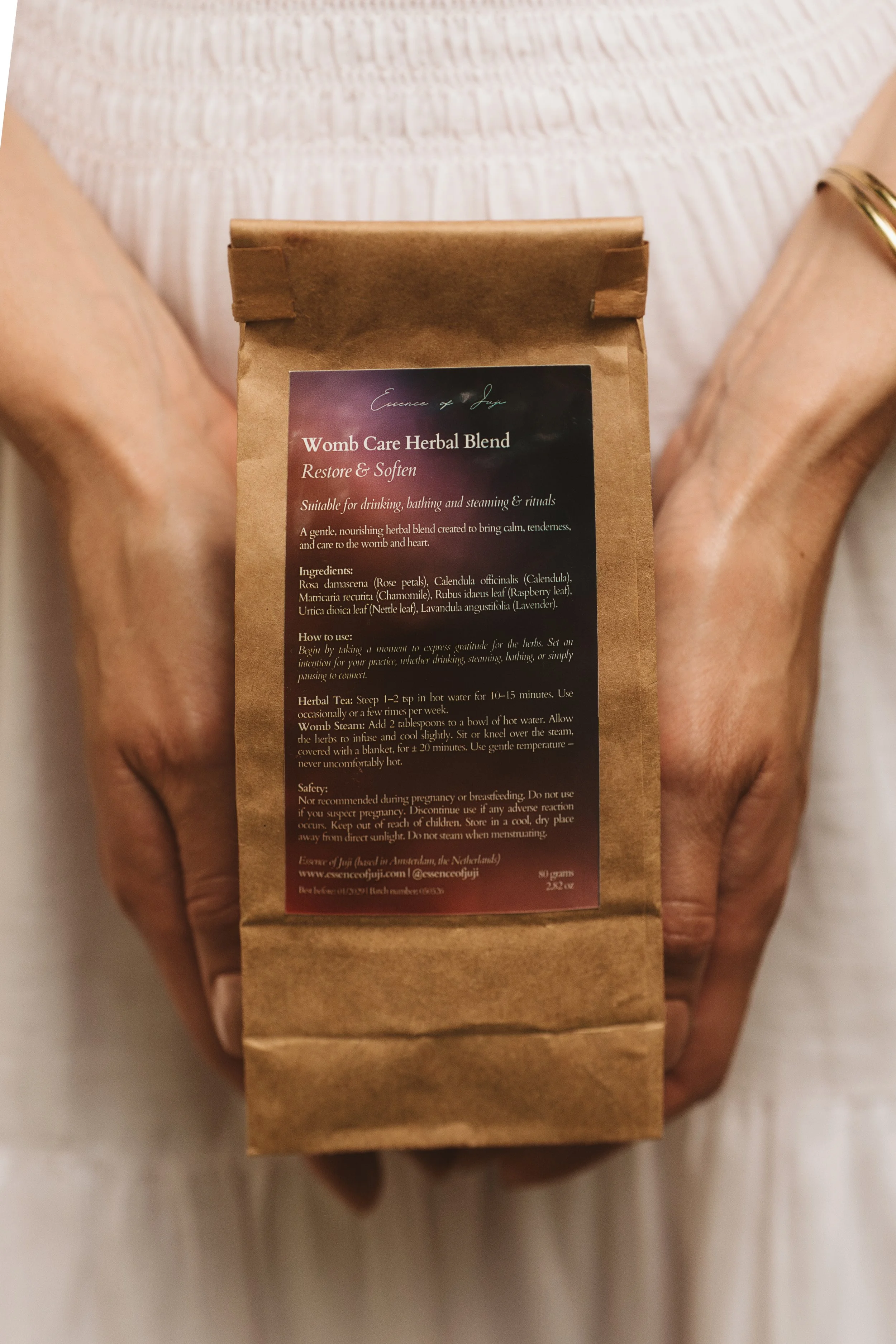 Image 5 of 5
How to use your Womb Care Herbal Blend
These blends can become a beautiful ritual of slowing down, creating warmth, and consciously reconnecting with your body. There is no single “right” way to work with them. You might prepare them as tea, add them to a bath, or create an herbal steam ritual. Choose the practice that feels most supportive for you in the moment.
As a tea
Add 1–2 teaspoons of herbs to a cup of freshly boiled water and allow to steep for 10–15 minutes. Strain and enjoy warm.
Tea can become a beautiful daily ritual: a few quiet minutes to pause, nourish yourself and bring your awareness inward. You can drink it while journaling, resting, reading, or simply sitting quietly with yourself.
As a herbal bath
Add a generous handful of herbs to hot water and allow them to infuse before entering the bath. You can strain the herbs first or place them in a muslin bag for an easier clean-up.
An herbal bath invites the plants to become part of a slower, more sensory practice with warmth surrounding the body, aromatic herbs filling the water, and an opportunity to let the day soften around you.
As an herbal steam
For an herbal steam, place approximately 2 tablespoons of herbs into a bowl of hot water. Allow them to infuse and cool until the steam is comfortably warm, never hot or scalding.
Position yourself comfortably above the bowl at a safe distance and loosely cover yourself with a blanket or towel to retain the warmth. Steam for about 15-30 minutes depending on what feels comfortable, and never continue if the heat feels uncomfortable.
The purpose is not to create intense heat. The practice is about gentle warmth, presence and ritual.
Never use vaginal steaming during pregnancy or menstruating/bleeding. Avoid steaming if you have active vaginal irritation, IUD, infection, open wounds or broken skin, and stop immediately if you experience burning, irritation, dizziness or discomfort.
The wisdom of the practice
Across many cultures, plants have traditionally been used not only for their physical qualities, but as part of rituals of transition, cleansing, nourishment and connection.
Working with herbs can invite us into a different relationship with our bodies, one that is slower, more attentive and less focused on fixing.
The warmth of tea.
The water of a bath.
The rising steam.
The scent of the herbs.
The stillness that can be felt within.
These sensory experiences can help create a space in which you can pause and listen.
Take a moment to express gratitude for the herbs. Set an intention for your practice.
Perhaps you are entering a new phase, balancing your menstrual cycle, experienced a loss (miscarriage/abortion), need stuck emotions to move, or want to create a moment of softness or release. There is no need to force anything. Let the practice be an opportunity to listen rather than fix, soften rather than push, and reconnect rather than disconnect.
Clear & Release
Choose Clear & Release when you feel drawn towards a more active ritual of movement and letting go.
Its warming, aromatic herbs create a blend with an earthy and invigorating character, making it particularly suited to rituals centred around release, renewal, transition and creating space.
You might use it as part of a personal ritual around the end of your menstrual cycle, a change of season, the closing of a chapter, or simply whenever you feel called to consciously release what you no longer wish to carry.
A question to bring into your ritual:
What am I ready to release?
Restore & Soften
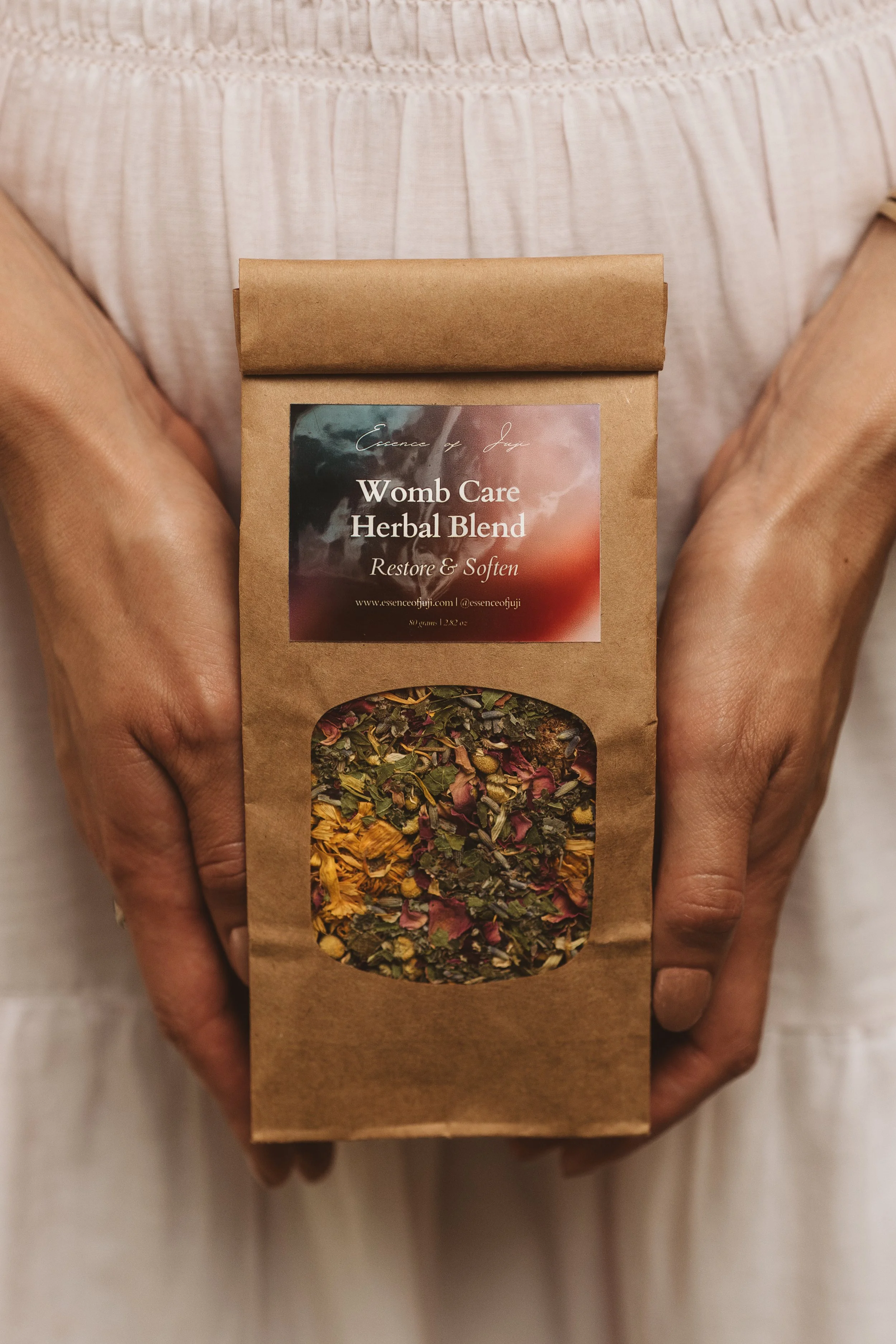
Choose Restore & Soften when you are drawn towards gentleness, nourishment and turning inward.
Its floral and soothing herbs create a softer botanical experience, inviting you to slow down and create space for rest, receptivity, tenderness and reconnection.
It can be especially beautiful as part of an evening ritual, during quieter moments of your cycle, or whenever your body is asking for less doing and more being.
A question to bring into your ritual:
What would feel nourishing to receive right now?
A note on intention:
You don't need to believe in anything specific for these practices to be meaningful. Ritual can simply be the act of giving your attention to something. The herbs provide the sensory experience; you bring the intention.